Cement production rises 7%, exports to Afghanistan increase
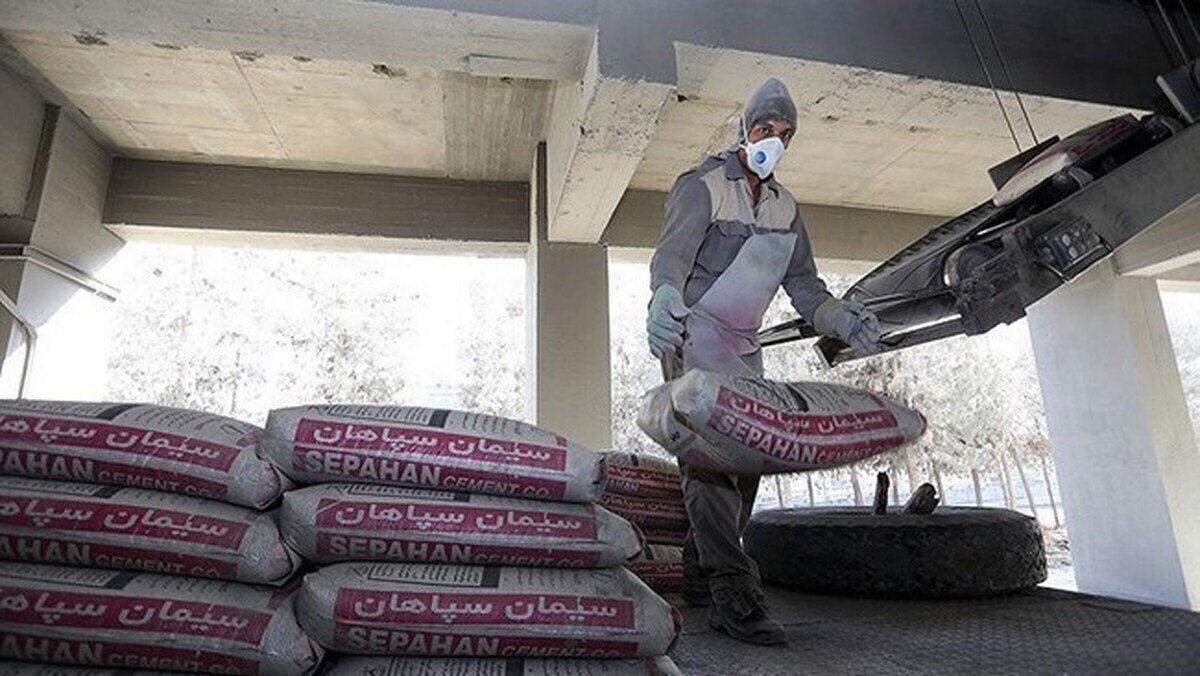
TEHRAN – Iran’s cement production rose seven percent in the first seven months of the current Iranian year (late March to late September), reaching 40.4 million tons, while exports to Afghanistan and through northern routes increased by about 15 percent, partly offsetting a sharp decline in shipments from southern border crossings, the secretary of the Cement Industry Association said.
Ali-Akbar Alvandian told ISNA that cement production increased by 2.6 million tons from 37.9 million tons in the same period last year, driven by stronger domestic demand.
Clinker production, however, fell 11 percent to 38.9 million tons from 43.8 million tons a year earlier, a decline of 4.8 million tons, he said.
Alvandian said exports through the country’s southern borders had dropped 67 percent year on year, with shipments through southern outlets and to Iraq seriously disrupted by economic conditions, a reduction in import permits issued by Iraq and restrictions affecting southern border crossings.
Exports to markets such as Afghanistan and through northern routes rose by around 15 percent compared with the same period last year, partly compensating for the decline in clinker exports. Overall exports nevertheless fell 29 percent year on year, he said.
Alvandian said improved coordination over electricity quotas and consumption had given producers greater scope to increase output. Production conditions improved in November, allowing factories to prepare for the coming months.
Regarding planned gas restrictions in December and the final quarter of the year, he said a timetable and relevant instructions had been issued, and gas consumption by cement producers had been reduced to almost zero since the previous week.
Gas remains available only to white cement producers, which account for a small share of the industry’s output, while the rest of the sector will rely on mazut fuel oil, he added.
The association is consulting with the Oil, Energy and Industry, Mining and Trade ministries to coordinate measures and prevent disruptions to production, Alvandian said. The aim is to limit the damage and restrictions imposed during the cold season compared with the challenges faced last summer and ensure sufficient cement supplies for domestic demand.
EF/
Leave a Comment